Travel Insurance for a Nepal Trek: What to Check Before You Go (2027)
Which travel insurance do you need for a Nepal trek? Check altitude limits, helicopter rescue, medical cover and pre-existing conditions before you go.
Read Story →
Join Wild Pass Treks for authentic, safe, and unforgettable adventures. From Everest Base Camp to hidden valleys, we guide you every step.
Pick a region of Nepal to see its treks with duration and starting price per person (US$).
“In the Himalayas, every step is a story, and every sunrise is a new beginning.”
Namaste and a heartfelt welcome to Wild Pass Treks — your gateway to unforgettable Himalayan adventures! Based in the heart of Nepal, we specialize in crafting extraordinary trekking, tour, and adventure experiences across the majestic Himalayan landscapes.
From iconic routes like Annapurna Base Camp and Everest region treks to cultural tours, peak climbing, jungle safaris, and helicopter tours, we offer journeys designed to suit all levels of adventurers.
We are committed to delivering authentic, safe, and memorable experiences with expert support every step of the way — from your first inquiry to the moment you return home with incredible memories.
Explore UNESCO sites, ancient temples, and local traditions.
Breakfast at Everest or a rescue from the trails.
Classic tea-house treks through high-altitude trails.
Summit trekking peaks like Island, Mera, and Lobuche.
Jungle encounters in Chitwan and Bardia National Parks.
Navigate the rapids of the Trishuli and Seti rivers.
Build your own itinerary based on your dates and dreams.
Guided by pros to capture the golden hour on the peaks.
An authorized trekking agency based in Kathmandu.
Certified guides and expert support throughout your trek.
Starting prices and savings shown upfront on every package.
Private, custom itineraries built around your dates.
Sustainable travel that respects mountain communities.
Which travel insurance do you need for a Nepal trek? Check altitude limits, helicopter rescue, medical cover and pre-existing conditions before you go.
Read Story →How fit do you need to be for a Nepal trek? A simple 8 to 12 week training plan, boot tips and how to pick a trek that matches your fitness.
Read Story →Do you need a trekking guide and porter in Nepal? What each does, when they matter most, and what is included on our treks, with clear 2027 advice.
Read Story →“To provide life-changing Himalayan experiences while prioritizing safety, sustainability, and local community welfare.”
We are a team of Sherpas, guides, and dreamers dedicated to showing you the authentic soul of the Himalayas. Founded in 2010 by a group of passionate Sherpa guides, we started with a simple mission: to show the world the true beauty of the Himalayas beyond just the peaks.
We believe in “Trekking with Heart” — respecting nature, honoring culture, and treating every guest like family.
Your safety is our obsession. Our guides are trained in wilderness first aid and altitude sickness recognition, and carry satellite phones for emergencies.
We don’t just walk the trails; we introduce you to the people. Enjoy home-cooked meals, visit monasteries, and learn the legends of the mountains.
We are committed to protecting the Himalayas. We follow eco-friendly practices and ensure fair wages and insurance for all our staff.
Licensed trekking guides and the team behind your trip.
Government-licensed trekking guide, speaks English
 Gyurme Tsewang Lama
Government-licensed trekking guide, speaks English
 Lopsang Tsering Lama
Government-licensed trekking guide, speaks English
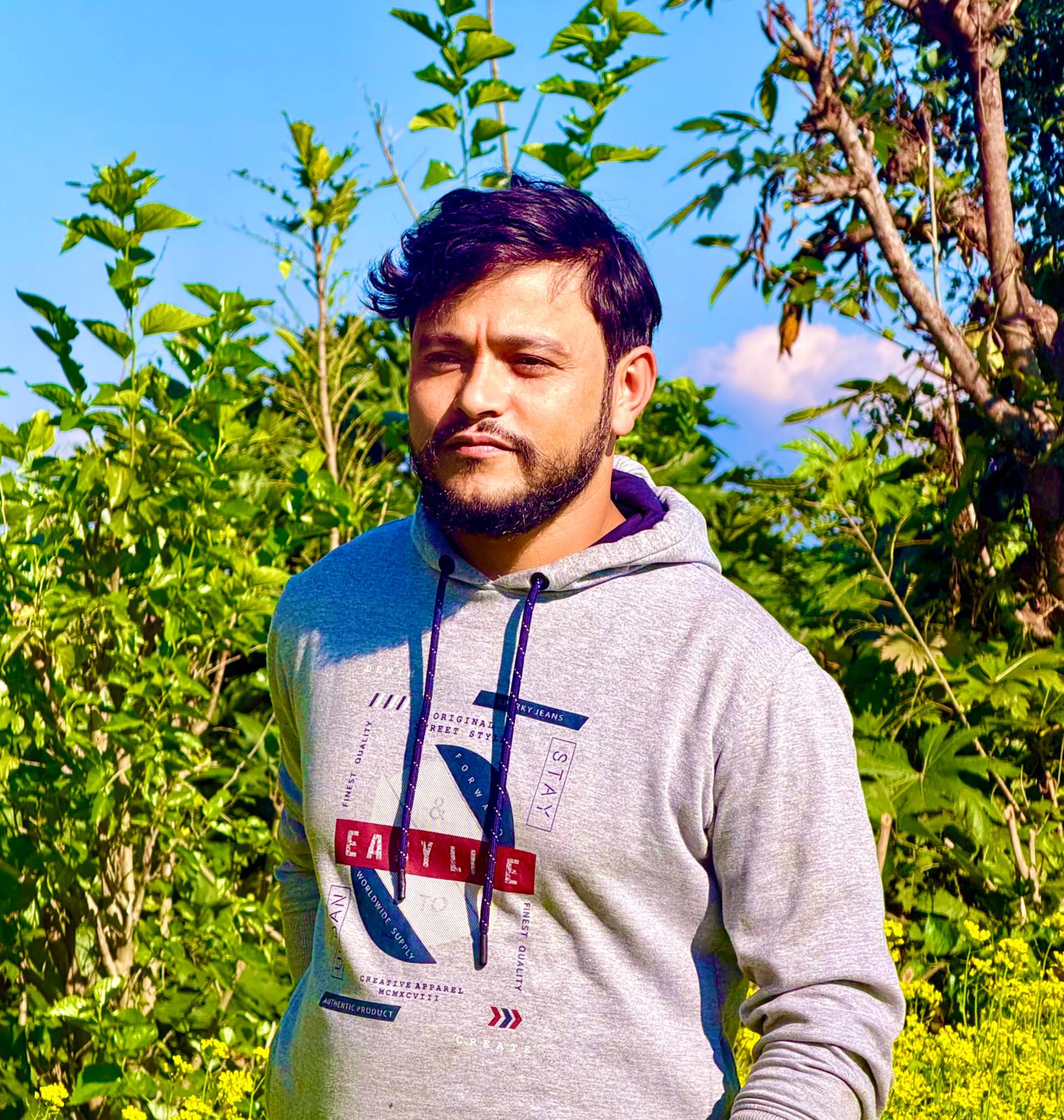 Rajendra Neupane
How we look after you on the mountain, and answers to the questions travellers ask most.
Our guides are trained in wilderness first aid and altitude sickness recognition, and carry satellite phones for emergencies.
Itineraries include acclimatization days so your body adjusts to the altitude gradually.
If something goes wrong, guides can call for help by satellite phone and arrange descent or helicopter evacuation.
We recommend a policy covering high-altitude trekking and helicopter evacuation before you travel.
Yes. Trekking in Nepal is generally safe with an experienced guide, a sensible itinerary and the right preparation.
Not for most tea-house treks. Tell us your fitness level and available time and we’ll recommend the right route.
Spring (March–May) and autumn (September–November) are the most popular seasons for clear skies and stable weather.
Ascend gradually, take rest days, drink plenty of water and tell your guide about any headache, nausea or dizziness straight away. Our guides are trained to recognise the signs.
Yes — choose a policy that covers high-altitude trekking and helicopter evacuation.
Most treks need national park or conservation area permits, and remote regions such as Upper Mustang, Manaslu, Kanchenjunga and Dolpo need special restricted-area permits. Ask us about the trek you choose.
Layered clothing, a warm jacket, sturdy broken-in boots, a sleeping bag, sun protection, a water bottle and a basic first-aid kit. We can share a full packing list for your trek.
Yes. Our Custom Adventures let you build an itinerary around your own dates.
Still have a question? Send us an inquiry or message us on WhatsApp.